
Running hot, or running on empty?
You built something, or climbed to the top of something, and now the work you're best at costs more than it gives back. That isn't weakness. It's burnout, and for leaders it usually has a fixable cause.
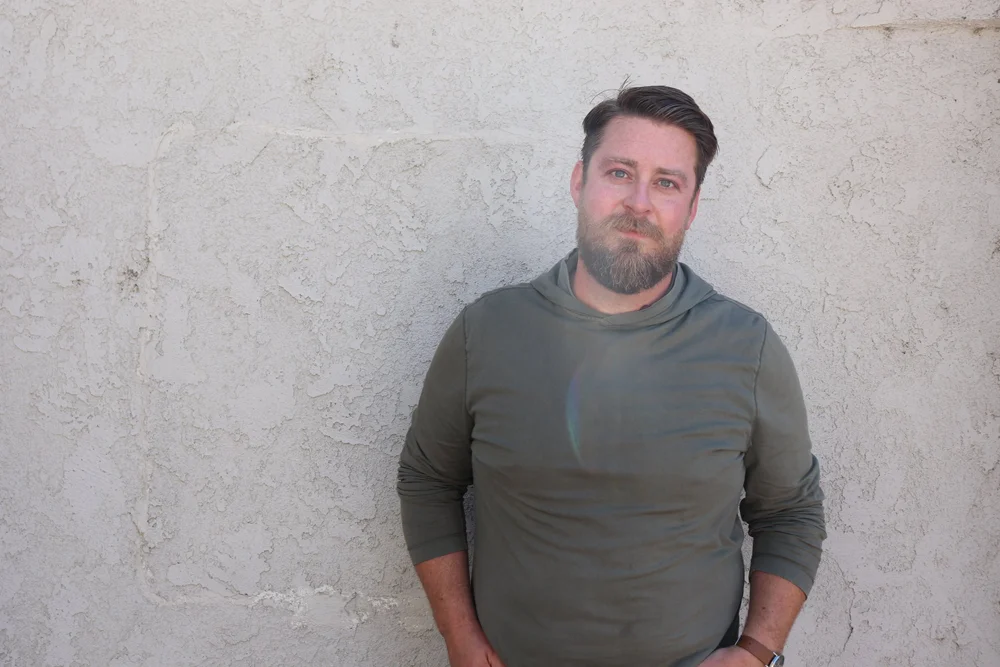
You've made it on paper. So why does it feel like this?
- You're wired but tired. Tight chest, short fuse, bad sleep.
- You start ten things and finish none. Everything is a fire.
- You used to love the work. Now you dread opening the inbox.
- A week off helped for about a day.
- You're more cynical about your team, your board or yourself than you'd admit out loud.
- You know you're capable of more, and that makes it worse.
Burnout is friction over time
I use one formula with every burned-out leader I work with: Time × (Stress + Frustration) = Burnout.
Stress is the gas: the stakes, the deadlines, the drive to win. Plenty of leaders love the gas. Frustration is the brake: unclear priorities, a calendar that belongs to everyone else, systems that depend on you remembering, decisions that never close. Most leaders don't burn out because they work hard. They burn out because they work hard with the brake pressed down.
That's why a vacation rarely fixes it. You turn the car off for a week, then start it back up with the brake still on.
Stress
High stakes, big launches, people depending on you. Stress alone won't melt the engine. A car can cruise at 80 with no grind.
Frustration
Being busy without traction. Executive dysfunction, weak boundaries, missing systems. This is the part we can usually change fastest.
The cure for one is poison for the other
Not every exhausted leader is burned out. Some are bored out: under-challenged, disconnected from the mission, and starving for something that actually engages their brain. Rest doesn't fix that. It makes it worse.
Foot on the gas and the brake
Wired, irritable, scattered, panic-driven late nights, sloppy mistakes. The fix is less friction: better systems and boundaries that hold.
Foot on the gas, stuck in neutral
Heavy, foggy, apathetic, stalling on easy tasks. The fix is more engagement: the right challenge, novelty and a mission worth caring about.
Leaders who escape burnout by taking an easier role often land in boreout. Read: Burnout or boreout? →
What burnout coaching actually works on
Release the brake
External systems for what your brain shouldn't be holding: capture, calendar, decisions. Less friction, same ambition.
Hard-code your boundaries
Not "get better at saying no." Calendar locks, response rules and if-then protocols that hold without willpower.
Cut the micro-frictions
The small daily irritants that drain you before the real work starts. We find them and remove them.
Get back in gear
If you're drifting, we add the right challenge: a stretch project, a sharper mission, sprints for the dull work.
Check the car
Sometimes nothing is wrong with the engine. The role, the company or the stage no longer fits. We'll look at that honestly.
Keep the system
Everything we build gets written down, so it keeps working after we stop meeting.
One 90-day season
Coaching runs in seasons. We meet about three times a month for 90 days and build your system around your real calendar, not an ideal one. At day 90 we decide together: another season, a lighter plan, or you're done.
Enrollment and payment run through LifeSketch, the coaching practice I founded. See what's included →
per 90-day season, or $1,200 a month for 3 months
Companies can pay for a leader's coaching through LifeSketch.
Leading a team? See the team burnout pilot →
Before you book
Is this therapy?
No. Coaching is for capable people who want structure and support to run themselves on purpose. If what you're dealing with looks more like depression, anxiety or something that needs treatment, I'll tell you, and help you find the right kind of help.
Do I need an ADHD diagnosis?
No. Many of the leaders I work with have ADHD, suspect it, or never thought about it. Executive function is the lens, not a label.
Can my company pay?
Yes. A company can cover a leader's coaching. It's the same program, billed to the organization through LifeSketch. For organizations →
Where do we meet?
Coaching runs online by video, so location isn't a barrier. I'm based in Littleton, in the Denver metro.
How fast will this help?
I won't promise a timeline. The early work is finding where the friction is, and you'll know quickly whether this is the right kind of help. That's what the free call is for.
On burnout
Not sure if it's burnout?
That's what the call is for. Fifteen minutes, free, and an honest answer about what you need.
Coaching isn't therapy or a substitute for mental health treatment. If you're in crisis, call or text 988.